
Depressive symptoms
The impact of depressive symptoms on brain health.

Share this article


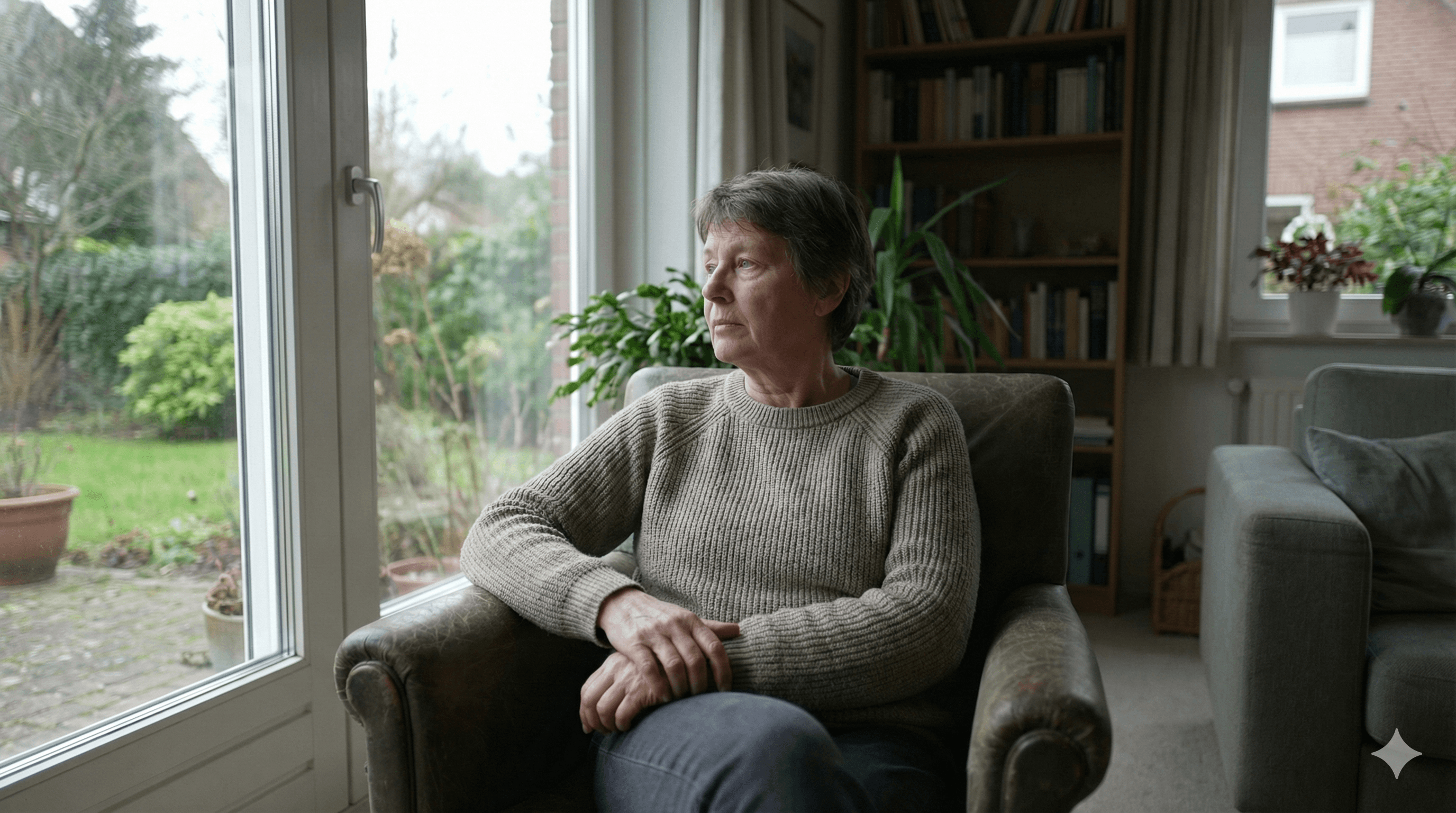
Depressive symptoms not only affect how you feel, but also how your brain functions. Sadness, loss of pleasure, and reduced energy can greatly impact daily life. Less known is that prolonged depressive symptoms are also associated with an increased risk of cognitive decline and dementia.
That is why depressive symptoms are included as an important factor within the LIBRA score for brain health.
What do we mean by depressive symptoms?
Depressive symptoms can take on various forms. It's not just about an official diagnosis, but also about prolonged issues such as:
persistent feelings of sadness or emptiness
less interest or pleasure in things you previously enjoyed
fatigue or low energy
sleep problems
concentration problems or slow thinking
feelings of guilt, hopelessness, or worrying
These symptoms can be mild or more severe, temporary or long-lasting. Especially if they persist for a long time, they affect brain health.
Why are depressive symptoms detrimental to your brain?
Increased Stress Load
Depressive symptoms are often accompanied by increased stress levels. The body then produces more stress hormones over an extended period. These hormones can eventually cause damage to brain areas that are important for memory and learning.
Changes in Brain Structure and Function
Long-term depression is associated with changes in brain areas involved in emotion, motivation, and memory. This can make the brain more vulnerable to further decline.
Impact on Lifestyle
Feeling down makes it more challenging to take good care of oneself. People often exercise less, eat unhealthier, sleep worse, and maintain fewer social contacts. These factors reinforce each other and together have a negative effect on brain health.
Overlap with Early Cognitive Complaints
Sometimes depressive symptoms resemble early signs of cognitive decline. Conversely, emerging cognitive changes can also cause feelings of sadness. This makes it especially important to take complaints seriously and have them properly assessed.
Common Misunderstandings
“Sadness is just part of getting older”
Sadness occurs more frequently with age, but it is not a normal or inevitable part of aging. It is a signal that deserves attention.
“I just need to get over it”
Depressive symptoms are not a matter of willpower. They are real issues involving biological, psychological, and social factors.
“If I don't talk about it, it'll go away on its own”
In some people, symptoms disappear, but in many others, they actually persist longer without support. Discussing them early reduces the chance that symptoms become entrenched.
“Seeking help means it's really bad”
Seeking help early can actually prevent symptoms from becoming more severe. It is a sign of caring for yourself, not of failure.
“A glass a day is good for your brain”
Recent studies show that there is no convincing evidence that alcohol has a protective effect on brain health. Drinking less is always more beneficial.
“I only drink on weekends, so that’s not too bad”
Binge drinking strains the brain and blood vessels, even if it doesn't happen daily.
“Alcohol helps me relax and sleep”
The relaxing effect is temporary. In the long run, alcohol actually worsens sleep and stress regulation.
“Quitting is only necessary if you are addicted”
Even people without addiction can benefit from cutting down. Health benefits often occur with even small reductions.
What can you do yourself?
Keep moving, even when it’s difficult
Physical activity has a proven positive effect on mood. Small steps are sufficient. A short walk each day can already help.
Maintain structure in your day
Fixed times for getting up, eating, and sleeping provide stability. Structure supports the brain, especially when motivation is lacking.
Seek contact, even if you don’t feel like it
Social contact may be challenging at first, but it often works protectively against further withdrawal and loneliness.
Be gentle with yourself
Depressive symptoms consume energy. Don’t expect the same from yourself as during periods when you felt better.
When to seek professional help?
When additional help is beneficial
It is wise to contact your doctor if:
symptoms persist for more than two weeks
you notice that daily activities are no longer manageable
you sleep poorly or hardly eat
you have thoughts of hopelessness or see no future
The doctor can work with you to determine what kind of support is appropriate, such as counselling, guidance, or possibly medication. Treating depressive symptoms not only improves well-being but also supports brain health.
In short
Depressive symptoms affect your brain through stress, changes in functioning, and impact on lifestyle. They are not a sign of weakness, but an important signal. By taking symptoms seriously and seeking support in a timely manner, you not only protect how you feel, but also your brain health in the long term.
Depressive symptoms affect your brain through stress, changes in functioning, and impact on lifestyle. They are not a sign of weakness, but an important signal. By taking symptoms seriously and seeking support in a timely manner, you not only protect how you feel, but also your brain health in the long term.
The most important modifiable factors
At Remind, we've gathered the 15 most important modifiable factors for you. You can view each one individually and read about ways to manage them:


Share this article
Frequently Asked Questions
How does Remind help me to recognize changes in my brain in a timely manner?
Is Remind the same as a medical examination or diagnosis?
How reliable are the tests used by Remind?
What happens to my data? Is someone listening or reading along?
What does my Remind Brain Age mean for me?

Depressive symptoms
The impact of depressive symptoms on brain health.
Share this article
Depressive symptoms not only affect how you feel, but also how your brain functions. Sadness, loss of pleasure, and reduced energy can greatly impact daily life. Less known is that prolonged depressive symptoms are also associated with an increased risk of cognitive decline and dementia.
That is why depressive symptoms are included as an important factor within the LIBRA score for brain health.
What do we mean by depressive symptoms?
Depressive symptoms can take on various forms. It's not just about an official diagnosis, but also about prolonged issues such as:
persistent feelings of sadness or emptiness
less interest or pleasure in things you previously enjoyed
fatigue or low energy
sleep problems
concentration problems or slow thinking
feelings of guilt, hopelessness, or worrying
These symptoms can be mild or more severe, temporary or long-lasting. Especially if they persist for a long time, they affect brain health.
Why are depressive symptoms detrimental to your brain?
Increased Stress Load
Depressive symptoms are often accompanied by increased stress levels. The body then produces more stress hormones over an extended period. These hormones can eventually cause damage to brain areas that are important for memory and learning.
Changes in Brain Structure and Function
Long-term depression is associated with changes in brain areas involved in emotion, motivation, and memory. This can make the brain more vulnerable to further decline.
Impact on Lifestyle
Feeling down makes it more challenging to take good care of oneself. People often exercise less, eat unhealthier, sleep worse, and maintain fewer social contacts. These factors reinforce each other and together have a negative effect on brain health.
Overlap with Early Cognitive Complaints
Sometimes depressive symptoms resemble early signs of cognitive decline. Conversely, emerging cognitive changes can also cause feelings of sadness. This makes it especially important to take complaints seriously and have them properly assessed.
Common Misunderstandings
“Sadness is just part of getting older”
Sadness occurs more frequently with age, but it is not a normal or inevitable part of aging. It is a signal that deserves attention.
“I just need to get over it”
Depressive symptoms are not a matter of willpower. They are real issues involving biological, psychological, and social factors.
“If I don't talk about it, it'll go away on its own”
In some people, symptoms disappear, but in many others, they actually persist longer without support. Discussing them early reduces the chance that symptoms become entrenched.
“Seeking help means it's really bad”
Seeking help early can actually prevent symptoms from becoming more severe. It is a sign of caring for yourself, not of failure.
What can you do yourself?
Keep moving, even when it’s difficult
Physical activity has a proven positive effect on mood. Small steps are sufficient. A short walk each day can already help.
Maintain structure in your day
Fixed times for getting up, eating, and sleeping provide stability. Structure supports the brain, especially when motivation is lacking.
Seek contact, even if you don’t feel like it
Social contact may be challenging at first, but it often works protectively against further withdrawal and loneliness.
Be gentle with yourself
Depressive symptoms consume energy. Don’t expect the same from yourself as during periods when you felt better.
When to seek professional help?
It is wise to contact your doctor if:
symptoms persist for more than two weeks
you notice that daily activities are no longer manageable
you sleep poorly or hardly eat
you have thoughts of hopelessness or see no future
The doctor can work with you to determine what kind of support is appropriate, such as counselling, guidance, or possibly medication. Treating depressive symptoms not only improves well-being but also supports brain health.
In short
Depressive symptoms affect your brain through stress, changes in functioning, and impact on lifestyle. They are not a sign of weakness, but an important signal. By taking symptoms seriously and seeking support in a timely manner, you not only protect how you feel, but also your brain health in the long term.
The most important modifiable factors
At Remind, we've gathered the 15 most important modifiable factors for you. You can view each one individually and read about ways to manage them:
Share this article
Frequently Asked Questions
How does Remind help me to recognize changes in my brain in a timely manner?
Is Remind the same as a medical examination or diagnosis?
How reliable are the tests used by Remind?
What happens to my data? Is someone listening or reading along?
What does my Remind Brain Age mean for me?